Ask five lodges for a price and you might get five completely different answers. A safari lodge can cost anywhere from $150 to over $1,500 per person per night, and the cheapest option is not always the bargain it appears to be. Some rates include every meal, drink and game drive; others cover little more than a bed and a view of the bush.
This guide walks you through the decisions that actually determine what you pay: what a rate really includes, how the season changes prices, where to stay relative to the park, which lodge type fits your budget, when to book, and how long to stay for real value. By the end, you will be able to compare lodges on a like-for-like basis and put your money where it counts most: time in the wild, not extras you never use.
What a Safari Lodge Rate Actually Includes
The single biggest mistake budget travelers make is comparing two lodge prices without knowing what each rate covers. A fully inclusive rate at $300 per person per night that covers meals, two daily game drives and park access can be far better value than a $180 room-only rate where you pay separately for drives, dinner and entry fees. Before judging any price, ask exactly what is included.
What often gets billed separately
Drinks are the most common surprise, even bottled water at some camps. Laundry, park entrance fees and conservancy levies are also frequently charged on top, and these can add a meaningful amount per day. Ask the lodge for a sample final bill so you can see the true nightly cost, not just the headline rate.
Single supplements and child rates
If you travel alone, check the single supplement before falling in love with a lodge. Many camps charge solo travelers 30-50% more, which can swing your total dramatically. The same applies in reverse for families: some lodges offer generous child rates or family tents, while others charge nearly full price for children. A quick email asking about these policies, along with what drinks, laundry, park fees and conservancy levies cost, will tell you more about a lodge’s value than any star rating.
Choosing the Right Season for Your Budget
Timing is the most powerful lever on your safari budget, and it costs you nothing but flexibility. During the green season, which runs from November to March and again from April to May in much of East Africa, lodge rates drop sharply compared to peak months. That means a lodge priced out of reach in July can become genuinely affordable in November, sometimes at a fraction of the high-season rate.
What you give up, and what you don’t
Green season does not mean empty landscapes. Wildlife is still abundant, many animals have young at this time, and the scenery is lush and photogenic. Rain usually falls in short afternoon bursts rather than all day, so game drives in the cooler morning hours are rarely disrupted. Birdwatching is also at its best, with migratory species present in many parks. If your dates are flexible, this is where the biggest savings live.
When your dates are fixed
If you can only travel in the June-October dry season, book early and expect top-tier pricing. This is peak game viewing, especially for river crossings and big concentrations of animals around water sources, and lodges know it. One more caution: some camps close entirely during the April-May heavy rains, so confirm your chosen lodge is actually open before you plan a shoulder-month trip.
Location: Inside the Park, at the Gate, or in Town
Where your lodge sits relative to the park has a direct effect on both price and how much wildlife time you get. Lodges inside a reserve command premium rates, but they put you minutes from the game drive circuits. You can be watching elephants at dawn instead of sitting in a vehicle on a transfer road, and that head start matters more than most first-time safari travelers expect.
Staying just outside a park gate is the classic budget compromise. Gate-side lodges typically save you 20-40% compared to lodges inside the reserve, and many still offer early-morning drives that get you through the gate at opening time. That means you sacrifice very little wildlife viewing for a meaningful saving, especially if the gate opens before sunrise activity peaks.
Town-based lodges are the cheapest of all, but they come with real trade-offs: expect 1-2 hours of daily transfers and miss out on dawn wildlife activity, which is often the best viewing of the day. Long transfers also eat into the hours you have paid for, so weigh the saving against the lost game time before you commit.
- Inside-the-park lodges often include game drives in their rates because they run their own vehicles, which can offset some of the premium.
- Gate-side lodges let you choose between the lodge’s own drives and independent operators based in nearby towns, giving you room to negotiate.
- Town stays work best combined with one or two nights at a park-adjacent camp, so you get budget savings without losing every dawn.
- Check whether a gate-side lodge charges a daily transfer fee to reach the park entrance, since a short distance can still add cost if it is billed per vehicle.
- Ask how the lodge handles gate queues in high season, because waiting at a busy entrance can quietly cost you an hour of prime morning game viewing.
Matching Lodge Types to Your Price Range
The word “lodge” covers a wide range of places to sleep, and the type you pick matters as much as the destination itself. Most budget travelers end up choosing between three broad categories: tented camps, brick-and-mortar lodges, and self-catering or community-run camps. Each comes with a different price tag and a different experience, so it pays to know what you are buying before you commit.
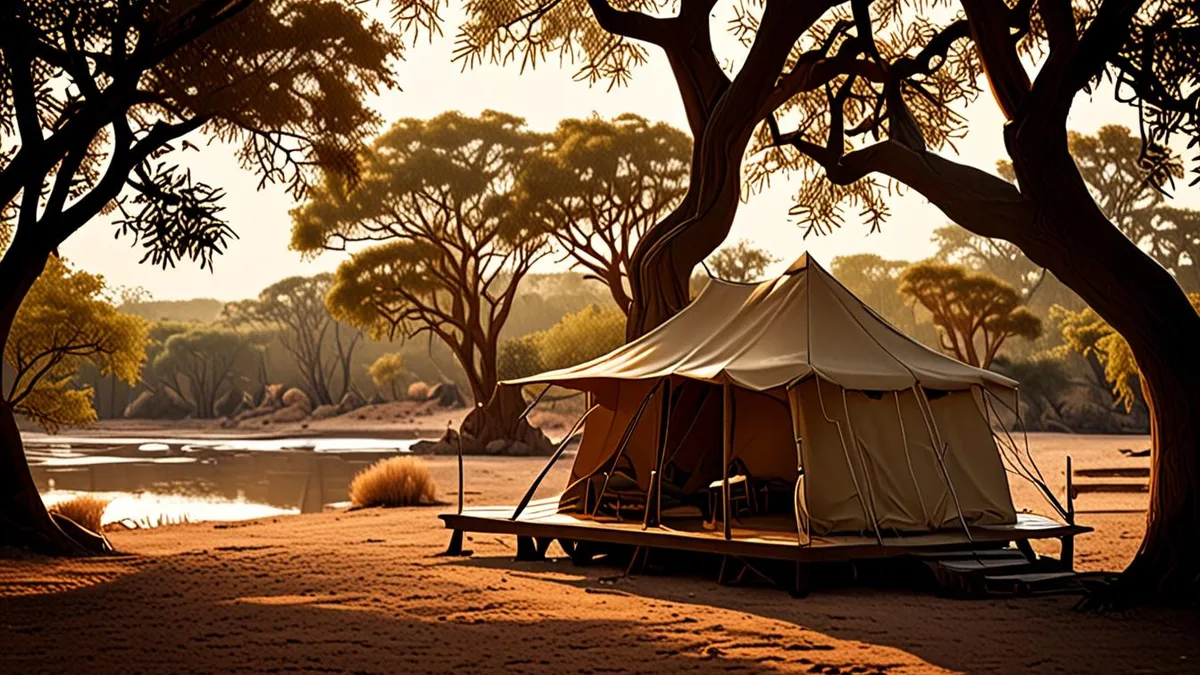
Tented camps are the classic safari image: canvas walls, a zip door, and the sound of hippos grunting outside at night. In the budget bracket, they typically run $150-350 per person per night, usually with meals and game drives included. Do not let the word “tent” fool you — many of these camps have proper beds, en-suite bathrooms and hot showers, and the thin walls are part of the charm rather than a drawback.
Mid-range brick-and-mortar lodges, generally $350-700 per person per night, trade some of that romance for comfort and reliability. Expect solid walls, air conditioning or fans, a swimming pool, sometimes a spa, and more consistent food and service. If you are traveling with children or anyone who needs predictable amenities, this category often justifies the extra cost.
- Tented camps: ask whether the tent is permanent (on a concrete platform with plumbing) or seasonal, since seasonal camps may move or close and offer less privacy between units.
- Mid-range lodges: check how many rooms the property has — smaller lodges of 10-20 rooms usually feel more personal, while larger resorts can feel like a hotel dropped into the bush.
- Self-catering camps: confirm what the kitchen setup actually includes, such as a shared cooking area, a fridge, and whether you can buy supplies on site or need to bring everything with you.
- Community-run camps: these are often owned by or operated with local villages, so your money supports the community directly — ask who runs the camp and how staff and guides are hired.
For independent travelers with a vehicle or a flexible itinerary, self-catering and community-run camps stretch a budget furthest. You give up included game drives and restaurant meals, but you keep control of your daily costs and often get a more local, less polished experience in return.
When and How to Book Your Safari Lodge
Timing your booking well can matter as much as choosing the right lodge itself. Safari lodges are small operations — many have fewer than 20 rooms — so availability disappears quickly in the months everyone wants to travel. Unlike large city hotels, a single sold-out week can push you to a completely different property, sometimes at a worse rate. The good news is that the strategy is simple once you know which season you are targeting.
- Fix your dates and season first. Decide whether you are locked into the June-October dry season or flexible enough for the green season, because everything about timing — lead time, price, and how quickly rooms sell out — flows from that choice.
- For high season, book 6-12 months ahead. The best-value lodges in the June-October window sell out first, often long before the luxury properties do. If you wait until spring to book a July trip, you will likely be choosing from what is left rather than what is best.
- In green season, 2-3 months of lead time is often enough. Demand is lower, and some lodges release last-minute discounts to fill empty rooms. Just be aware that a handful of camps shut down entirely during the heaviest rains, so double-check that your chosen lodge will be open for your dates before paying a deposit.
- Get quotes from more than one channel. Ask the lodge directly, request a quote from a specialist safari operator, and check a booking site for the same dates and room type so you can compare totals properly.
- Compare the final price, not the headline price. A booking-site rate can look cheaper until park fees, conservancy levies and drinks are added, so always line up what each quote actually includes before deciding.
One practical note on payment: wherever you book, use a method with real buyer protection, such as a credit card, and get written confirmation of your rate, dates and inclusions. Safari deposits are often substantial — sometimes 30% or more of the total — and a clear paper trail is your best friend if plans change or a camp unexpectedly closes. If you are booking far ahead, set a reminder to reconfirm your reservation a few weeks before arrival; small lodges occasionally change ownership or management, and you want to catch that early rather than at the gate.
How Long to Stay and How to Spot Real Value
One of the most common budget mistakes is booking two nights and rushing home. Two nights usually means one full day on the ground, and wildlife does not perform on schedule. A 3-4 night stay is the sweet spot: long enough to experience different times of day, different habitats and varied game drives, but short enough that the per-night costs do not spiral.
It also changes what you notice. On day one, everything is exciting and guides focus on the headline animals. By days three and four, you tend to get better sightings, more time at kills or river crossings, and a more relaxed pace — which is exactly the experience you are paying for.
Read reviews the right way
When you scan recent guest reviews, look past comments about room comfort and food. Those matter, but the reviews that predict a good safari mention specific wildlife sightings, how knowledgeable the guides were, and whether the camp delivered on its promised activities. A beautiful room with a mediocre guide is a poor value at any price; a simple tent with an outstanding guide can be the trip of a lifetime.
Pay attention to how recent the reviews are, too. Camps change hands, guides move on, and wildlife patterns shift, so a glowing review from several years ago tells you less than a mixed but current one.
Why conservancy locations punch above their price
If real value is your goal, prioritize lodges on private conservancies bordering the main reserves. Because these areas sit outside national park rules, vehicles can typically drive off-road to follow animals and run night drives — experiences park regulations often prohibit inside the reserve. At mid-range prices, that combination of exclusivity and flexibility frequently delivers more memorable game viewing than a cheaper lodge stuck in queues at a river crossing in the park itself.
Wrapping Up Your Safari Lodge Decision
So, back to the question we started with: how do you pick a safari lodge that fits your budget without sacrificing the wildlife experience? The answer is that rate inclusions, season, location and stay length all work together, and the cheapest nightly rate is rarely the cheapest trip. A room-only price in town can end up costing more than a fully inclusive tented camp once transfers, meals and park fees are added.
The biggest savings come from two moves: traveling in the green season, when rates drop sharply but wildlife is still abundant, and choosing a lodge just outside a park gate rather than inside the reserve. Combine those with a 3-4 night, fully inclusive stay booked 6-12 months ahead, and you have a reliable value formula. If this guide helped you plan your trip, leave a comment with your questions or share it with a fellow traveler.