Many first-timers hesitate to book a glamping site because they cannot figure out what they are actually signing up for. Will it feel like sleeping in a damp tent with a sleeping bag, or will it be a hotel room with canvas walls? The truth sits somewhere in between, and it varies a lot from one property to the next. Some sites are simple tents on wooden decks with a shared shower house down the path, while others are fully insulated domes with private bathrooms and hot tubs.
This guide walks you through what a glamping site actually looks like, which comfort levels and amenities to check before booking, when to reserve and what a night typically costs, and what to pack versus what the site provides. We also cover daily life on site, from meals and facilities to noise and quiet hours, plus how to choose the right property for your first trip. By the end, you will know exactly what to expect before you hand over your credit card.
What a Glamping Site Actually Looks Like
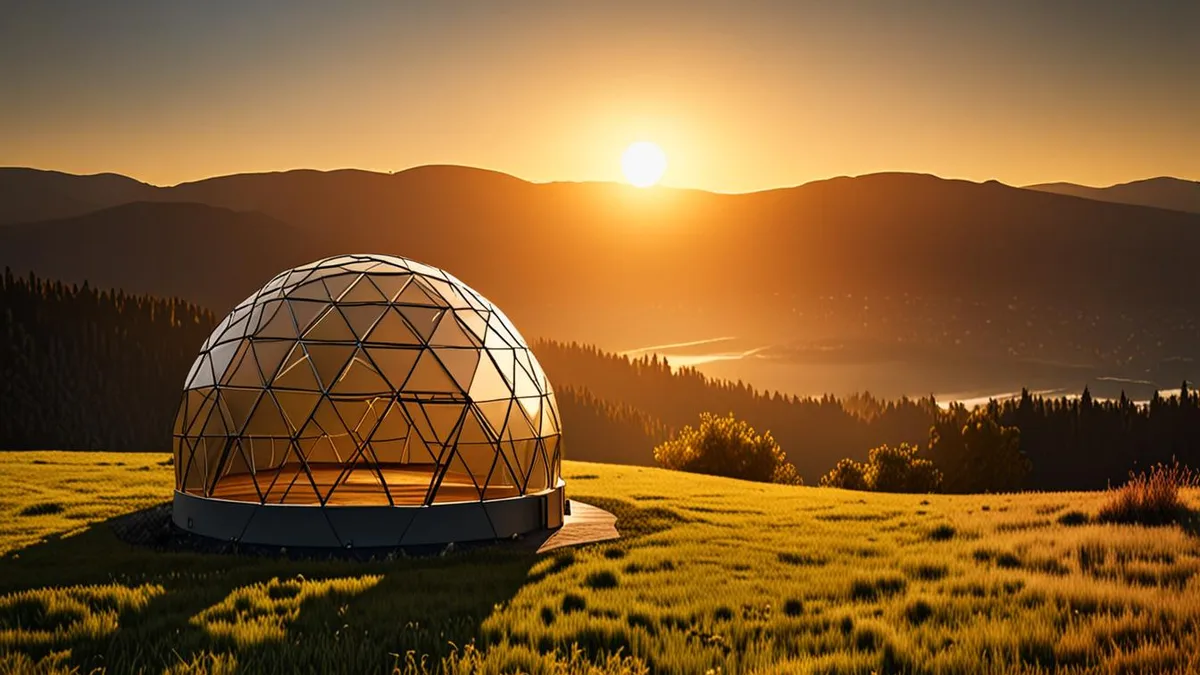
The first thing to understand is that “glamping” is an umbrella term for several very different types of accommodation. The most recognizable is the safari tent: a large, canvas structure with mesh windows, usually pitched on a raised wooden deck. Geodesic domes have become popular too, with their curved translucent walls, while yurts offer a round, lattice-walled design that feels surprisingly roomy inside. You will also find A-frame cabins with steep pitched roofs and converted trailers that borrow a retro road-trip feel.
Whatever the structure, the typical setup is far closer to a small cabin than a campsite. Expect a real bed with proper linens, electric or solar lighting, and often a small heater or fan to handle temperature swings. Many units add nightstands, luggage racks, and a seating area outside on the deck.
Small sites versus larger resorts
Scale varies enormously. Some operators run just 5-20 units on private farmland or forested land, which means quiet surroundings and a host who greets you personally. Larger glamping resorts can have 50+ accommodations and may function more like a campground, with reception desks, activity schedules, and shared facilities. Neither is better; small sites suit travelers who want calm, while bigger resorts work well if you want on-site dining or organized activities. Check the unit count on a listing before booking if atmosphere matters to you.
Comfort Levels and Amenities to Check Before Booking
Comfort levels differ more between glamping sites than between hotel star ratings, so it pays to dig into the listing details. The biggest dividing line is the bathroom situation. Entry-level units usually share a bathroom block located 30-100 meters from the tents, which is manageable in daylight but worth planning for at night. Premium units add a private en-suite bathroom with a toilet and shower inside your own structure, and that single feature often doubles the price.
Price follows comfort. Standard tents and domes typically run $100-$300 per night, while luxury options with private facilities often cost $300-$600 per night. Before you book, check which of these differentiators the site actually offers:
- Kitchenette: a small counter with a two-burner stove, sink, and mini fridge lets you self-cater; without one, you are eating out or cooking over a shared grill.
- Wood stove: a wood-burning stove keeps a canvas or dome unit genuinely warm on cold nights, and some hosts provide firewood as part of the rate.
- Hot tub: private wood-fired or electric hot tubs are common at higher-end sites, but they may need several hours to heat and sometimes cost extra per stay.
- Fire pit: a dedicated fire pit at your unit means private campfires, while some sites only allow fires at a shared communal pit.
Match these features to your comfort needs rather than paying for everything. A couple who plans to eat at local restaurants may not need a kitchenette, but anyone visiting in cooler months should treat a heat source as non-negotiable.
When to Book and What a Night Costs
Glamping availability works like popular cabin rentals: the best units in the best weeks disappear early, and the most sought-after accommodations at small sites can be gone well before you start looking. A few timing rules of thumb will save you money and stress, so plan your booking in this order:
- Book peak weekends first. For June through August weekends in most Northern Hemisphere destinations, reserve 2-3 months ahead to get a choice of units and reasonable rates. Waiting until a few weeks out usually means settling for leftover dates or midweek slots.
- Start earlier for holidays. Holiday periods such as long weekends around public holidays require 4-6 months of lead time, because family travelers and groups book these dates as soon as calendars open.
- Consider the shoulder season. May and September often cut rates by 20-30% while offering similar weather to summer, with fewer crowds and more open availability.
- Confirm check-in and check-out times. Check-in is usually around 3-4 PM and check-out around 10-11 AM, so build these windows into your travel day and ask the host about early or late options if your flights do not align.
One more practical tip: once you have a shortlist, sign up for the site’s newsletter or follow it on social media if it offers one, since smaller operators occasionally announce last-minute cancellations and off-season deals there. These openings are especially common right before shoulder-season weekends, when a single cancellation can free up a premium unit with a private bathroom.
And if your dates are flexible even by a day, shifting a weekend stay to Sunday through Tuesday can noticeably drop both the price and the noise level around you. Midweek stays also give you a better shot at the most private, best-sited units, which tend to be booked out first on summer weekends. When you do lock in a date, set a calendar reminder for the site’s cancellation window in case your plans change, and double-check the exact check-in time in your confirmation email rather than relying on memory.
Packing for a Glamping Site: What the Site Provides and What You Bring
One of the best things about glamping is how little you actually need to pack. Most sites provide the basics that make camping feel like a hotel: made-up beds with real linens, towels, and flashlights or lanterns inside each unit. If your unit has a kitchenette or cooking area, basic cookware is usually included too, though the quality and quantity vary quite a bit from site to site.
That said, glamping is still outdoors, and the gaps between “hotel” and “campsite” show up fast once the sun goes down. Canvas and thin cabin walls don’t hold heat the way a hotel room does, and many sites are spread out enough that you’ll walk on dirt paths between your unit and the bathrooms or fire pit. A little extra packing makes those moments far more comfortable.
Here’s what experienced glampers bring beyond the basics:
- Extra layers for evening: A fleece, beanie, and warm socks handle the temperature drop after sunset, which can be dramatic even in summer, especially in mountain or coastal locations.
- Sturdy shoes: Flip-flops won’t cut it for gravel paths, dewy grass, or a 30-100 meter walk to a shared bathroom block in the dark.
- Bug spray: Sites near water, woods, or fields can have mosquitoes at dusk, and open tent windows and decks put you right in their flight path.
- A headlamp: It keeps your hands free for keys, doors, and firewood, and beats a phone flashlight for navigating unlit paths at night.
Finally, check the sleeping setup before you pack for a group. Most glamping units sleep 2-4 guests, and the configuration matters: some have one queen bed plus a fold-out, others have two singles or a loft ladder that’s tricky for kids or older guests. A quick message to the host saves you from arriving with four people and finding beds for two.
On-Site Life: Meals, Facilities and Daily Rhythm
Life at a glamping site runs on a looser schedule than a hotel, and knowing the rhythm ahead of time helps you plan your days. Food is the biggest variable: many sites offer some kind of meal option, whether that’s a breakfast service, a food truck on weekends, or a communal fire pit where guests cook together. Others are strictly self-catering, meaning you bring everything and cook in your unit’s kitchenette or over the fire.
Check the site’s listing before you go, because it changes how you shop. If meals are provided, you might only need snacks and drinks for the day. If it’s self-catering only, plan your groceries in advance, since glamping sites are often far from the nearest store, and a 40-minute round trip for forgotten coffee is no one’s idea of a vacation.
Getting around after dark
Unless you’ve booked a premium unit with a private bathroom, expect a short walk to a shared shower house, typically somewhere in the 30-100 meter range from your tent. During the day that’s a pleasant stroll. At night, with no streetlights and uneven ground, it’s a different story.
Pack a small lantern to hang in your unit or carry with you, and bring a pair of slip-on slippers or sandals you can wear on the path and in the shower house itself. Keeping them by the door means a midnight bathroom trip takes two minutes instead of a fumbling search for shoes.
Quiet hours and early mornings
Sound carries remarkably well in canvas structures, so voices, music, and even normal conversation from neighboring tents can be audible. Most sites enforce quiet hours in the evening, and it’s polite to keep your own volume down regardless.
The flip side is that mornings come early and naturally. Between birdsong and sunlight filtering through tent walls, you’ll likely wake earlier than you would at home. Many first-timers end up loving this, since it makes for long, unhurried days. If you’re a light sleeper, earplugs are worth the tiny bit of packing space.
Choosing the Right Glamping Site for Your First Trip
With hundreds of glamping sites now competing for bookings, the hardest part isn’t finding one, it’s picking the right one for your first trip. The good news is that a few simple filters narrow the field fast, and they all come down to matching the site to your comfort level, your season, and your plans.
Start with the unit type, because it does more than anything else to shape your experience. Safari tents give you the classic canvas-and-deck feel, but they breathe with the outside temperature. Geodesic domes and solid A-frame cabins insulate better, which matters a lot if you’re someone who gets cold easily or you’re traveling in cooler months. Yurts sit somewhere in between, with canvas walls but a rounder, sturdier structure.
Next, dig into reviews, and read the recent ones specifically. Older reviews can describe a site before new management, new units, or new neighbors changed things. You’re looking for first-hand details on exactly the things that affect comfort:
- Heating performance: A unit might list a heater, but reviews tell you whether it actually keeps the space warm on a cold night or just takes the edge off.
- Water pressure and hot water: In shared shower houses especially, hot water can run out when everyone showers at once, so look for comments from guests in your season.
- Wildlife encounters: Some sites have curious raccoons, mice, or bears in certain seasons, and reviews usually mention whether food storage is secure and what precautions guests were told to take.
Finally, think about location in terms of driving time, not distance on the map. A site that looks 20 kilometers from a national park entrance might actually take an hour on winding rural roads. For a first trip, prioritize sites within roughly an hour of the activities you’re planning, whether that’s hiking, kayaking, or a town with restaurants. You’ll spend more time doing what you came for and less time in the car, and if the weather turns, you have easy fallback options nearby.
Your First Glamping Trip, Wrapped Up
Glamping sits in that sweet spot between a campsite and a hotel, and that is exactly what confuses first-timers. The reality is simpler than the worry: you get a camping setting with real beds, linens and amenities, and prices typically run $100-$600 per night depending on how much comfort you book. It is neither a leaky tent in the woods nor a lobby with a front desk.
A little preparation closes most of the remaining gaps. Book 2-3 months ahead for summer trips, pack layers for cold nights, and throw a headlamp in your bag for dark paths. Before you pay, check the comfort level, the bathroom setup and the location, and your first glamping trip should go smoothly. If you have been on the fence, this is your sign to try it. Have a question or a first glamping story of your own? Leave a comment or share this article.