Bangkok looks affordable until you realize that picking the wrong neighborhood can quietly double your daily costs. A cheap room on the far edge of town can vanish its savings in taxi fares and Skytrain tickets, and suddenly that bargain guesthouse is costing you more than a pricier spot near a station. That’s why choosing among the best areas to stay in bangkok matters more than scoring the lowest nightly rate.
This guide breaks down the neighborhoods that actually work for budget travelers, from the dorm beds and temple views of the Old City to the guesthouse strips along the BTS Skytrain line and the value stays in Chinatown and along the river. You’ll also find advice on when to book for the lowest rates, how to spot a genuinely good budget stay, and a shortlist to help you match a district to your travel style. Let’s get into it.
Why Neighborhood Choice Makes or Breaks a Budget Trip to Bangkok
Bangkok is enormous, and its cheapest rooms are rarely where the cheapest overall trips happen. A guesthouse that saves you 200 THB a night can easily eat that back through 100-300 THB in daily taxi and Skytrain fares if it sits far from any station. Do the math for a week-long stay and the “budget” option often costs more than a slightly pricier room near transit.
Stay near a BTS or MRT station
The BTS Skytrain and MRT cover most of the areas travelers actually want to visit, and rides typically cost somewhere in the 17-62 THB range. More importantly, stations near your hotel let you skip surge-priced rides during rush hours, when Bangkok traffic turns a short taxi trip into an expensive crawl. If you can walk to a station in a few minutes, your transport costs become predictable instead of a daily gamble.
The right district also balances rates with what’s around you. Look for areas where street food stalls, markets and river piers are walkable, so you spend on experiences rather than on getting to them. That combination of low nightly prices and easy access is what separates a good budget base from a false economy.
Khao San Road and Old City: Cheapest Beds and Temple Views
The Old City zone around Khao San Road is Bangkok’s classic budget base, and the prices show it. Dorm beds here run roughly 250-500 THB per night, while private rooms average 700-1,500 THB. For travelers watching every baht, it’s hard to beat those numbers anywhere else in the city.
The bigger saving is what you don’t spend on transport. Wat Pho, the Grand Palace and the riverside piers are all within walking distance of the Old City, which cuts your sightseeing transport costs to nearly zero. You can wander out early, see the major temples before the heat builds, and be back at your guesthouse for a midday rest without touching your wallet.
This area is best for first-timers who want nightlife, cheap tours and backpacker services all within a few blocks. Expect noise near Khao San itself, though, especially late at night. A few things to know before you book:
- Ask which street the hotel is actually on. Rooms one or two sois away from the main strip are often the same price but far quieter once the bars fill up.
- Look for guesthouses with luggage storage after checkout. With temples and piers so close, you can squeeze in extra sightseeing on departure day instead of killing hours at a cafe.
- Check whether the room price includes breakfast or a water refill station. Small perks like these stretch a tight daily budget further in an area where everything else is walkable.
Sukhumvit: Budget Comfort Along the BTS Skytrain Line
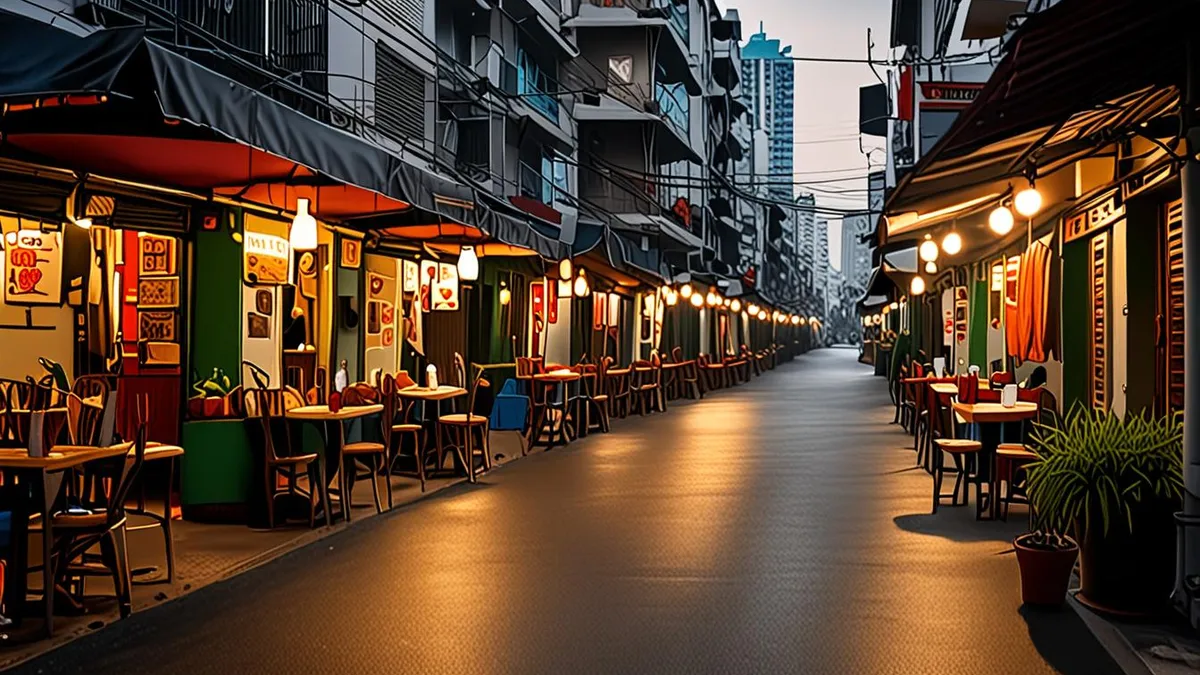
If you want budget prices without giving up modern convenience, Sukhumvit is the neighborhood to study. Guesthouses tucked down the side streets, or sois, between Asok and On Nut offer private rooms for around 800-1,500 THB per night. You get a real bed, often air conditioning, and a neighborhood that feels more local than the backpacker strips.
The transport math works in your favor
The big draw is direct BTS access. Rides to shopping malls, markets and the business districts typically cost about 17-62 THB, and trains run frequently enough that you rarely wait long. Staying within walking distance of a station also saves you 100-300 THB a day compared with relying on taxis and ride apps, which is the difference between a cheap trip and an expensive one.
Pick your sois carefully
The lower sois, such as 30-40, mix cheap street food with quieter residential lanes. You’ll find noodle carts and curry stalls at local prices steps from your door, without the late-night noise closer to the main drag. For a sense of how comfort levels vary across the city, it’s worth browsing something like hotels with premium skyline comfort to see what the top end looks like before deciding how much luxury you’re willing to trade for a Sukhumvit location.
Chinatown and Riverside: Value Stays Off the Backpacker Trail
Chinatown is one of Bangkok’s most underrated areas for budget travelers, and it deserves a spot on your shortlist alongside the more obvious districts. Private budget rooms here fall in the same 700-1,500 THB range you’ll find in the Old City, so you lose nothing on price while gaining a genuinely local neighborhood instead of a backpacker strip. The MRT station at Wat Mangkon puts you right on the subway line, which means you can skip taxis entirely and keep your daily transport costs close to that 100-300 THB you’d otherwise spend. Gold shops, herb markets and century-old shophouses surround you, and the area stays busy with locals long after the tour groups have gone back to the river.
The riverside is the other big draw. Piers along the Chao Phraya connect you to cheap boat transport, and local boats cost only a few baht more than an MRT ride. That means you can sleep in a quiet, residential-feeling district and still reach Wat Pho and the Grand Palace for pocket change. Check current boat fares and routes when you arrive, since services and prices can change.
Food is where Chinatown really pays off. The evening food streets along Yaowarat fill up after dark, and a filling dinner typically runs 100-200 THB at local prices rather than tourist markups. Come hungry and graze your way down the street instead of sitting down at one stall.
- Ask for a room away from Yaowarat Road — the main drag stays loud late, so a guesthouse on a side lane gives you the same location with far better sleep.
- Check boat pier operating hours before planning evening temple trips — river boats typically run on a daytime-to-evening schedule, so late returns may mean an MRT ride instead.
- Look for guesthouses near the Talat Noi side streets — this corner of Chinatown has street art, old machine shops and some of the area’s cheapest rooms, a short walk from the river.
When to Book: Seasons and Lead Times for the Lowest Rates
Timing matters in Bangkok, sometimes more than which neighborhood you pick. The same guesthouse can swing by hundreds of baht depending on the month and how early you book.
November to February is the cool, dry high season, and it pushes room rates to their yearly peak. If you want to travel in these months, book 2-3 months ahead to lock in the best budget rates. Waiting until a week before arrival during high season usually means paying more for worse rooms.
Green Season: The Budget Traveler’s Window
May to October is the green season, when budget rates drop 20-40 percent. The trade-off is afternoon rain, which usually arrives in short, heavy bursts rather than all-day downpours. If you plan sightseeing for mornings and keep a rain jacket handy, the savings easily outweigh the inconvenience for most budget travelers.
April sits at the extreme end: it is the hottest month of the year, but also the cheapest. Rooms hit their lowest rates, and guesthouses sometimes have plenty of availability. If your priority is price over comfort — and you don’t mind midday heat — April delivers the best numbers of the year. Just plan indoor activities or pool time during the hottest hours.
Whatever month you choose, check rates across a couple of booking platforms and the guesthouse’s own page before committing, since prices can differ noticeably for the same room.
How to Spot a Genuinely Good Budget Stay in Bangkok
Bangkok has thousands of budget rooms, and not all of the cheap ones are actually good deals. A little checking before you book saves you from the classic traps: a “Sukhumvit” address that’s a 30-minute walk from the train, or a windowless cell that costs the same as a decent room down the street.
Start with location, but get specific. District names are marketing, so check the exact walking distance to the nearest BTS or MRT entrance on a map app before booking. Remember that sleeping a short stroll from a station saves you roughly 100-300 THB per day on transport — that can be the difference between a bargain and a false economy.
Then compare the nightly rate against the 700-1,500 THB benchmark for a private budget room in the Old City and Chinatown. A “deal” well below that range usually comes with a catch, and a rate above it needs to justify itself with location or comfort.
- Read recent reviews specifically for mentions of air conditioning — fan-only rooms are common at the lowest prices, and in Bangkok’s heat that difference matters far more than a slightly nicer lobby.
- Look for photos or reviewer comments about windows — windowless interior rooms are a real category in budget Bangkok, and no amount of savings makes one pleasant for a week.
- Check whether the rate includes a cleaning or service surcharge added at checkout — some booking platforms show a low nightly price that grows once fees are added, so compare the total, not the headline number.
Wrapping Up Your Bangkok Neighborhood Shortlist
Bangkok looked affordable on paper, but the real cost of your trip comes down to one early decision: where you sleep. Pick a neighborhood that matches your budget style and you keep daily spending predictable; pick the wrong one and transport fares quietly double your total. The Old City works best for walkable temple sightseeing, Sukhumvit suits travelers who want BTS comfort, and Chinatown rewards those happy to step off the backpacker trail.
Timing matters just as much as location. Green season rates dropping 20-40 percent make flexible travel dates one of the easiest ways to stretch your budget, while staying within walking distance of a BTS or MRT station keeps transport costs from creeping up. Match the area to your transit needs first, then hunt for the room. If this helped you shortlist your neighborhood, leave a comment or share the article with a fellow traveler.