You’ve found the perfect spot for a getaway, and now you’re staring at two very different price tags: a glamping tent at $250 or more per night, or a basic campsite for around $30. The glamping option looks tempting in the photos, but you can’t help wondering what that extra money actually buys. Is it a real bed and a hot shower, or are you just paying for nicer lighting?
This glamping vs camping comparison breaks down the decision piece by piece. We’ll look at what each style genuinely costs per night, what the price gap gets you in comfort, and the specific trips where one clearly beats the other. Then we’ll cover booking strategies that shave money off both options, middle-ground choices like cabins and yurts, and a final verdict to help you match your budget to your trip style.
What Glamping vs Camping Actually Costs Per Night
The price gap between these two styles is bigger than most first-timers expect. A basic campground pitch in the US or Europe typically runs $20-$50 per night, giving you a spot for your tent and access to shared restrooms, and often little else. Mid-range glamping tents usually cost $150-$300 per night, while luxury glamping lodges and safari tents can reach $400-$800 per night. That means the fanciest end of the glamping spectrum can cost more than a comfortable hotel in many cities.
The gear bill most people forget
The nightly rate isn’t the whole story for camping. First-time campers typically spend $300-$600 on starter gear before they’ve pitched a single tent, covering essentials like the tent itself, sleeping bags and a stove. Glampers, by contrast, bring nothing. Their bedding, kitchen setup and furniture are already waiting at the site, which is part of what the higher rate covers.
Timing changes both numbers. Peak season, which runs June through August in the Northern Hemisphere, pushes prices up 30-50% for campsites and glamping sites alike. A $40 pitch can creep toward $60, and a $250 glamping tent can approach $375 for the exact same canvas. If your dates are flexible, simply shifting your trip out of the summer peak can save you more than any coupon or discount code.
When you compare honestly, do the math over the whole trip rather than per night. A family buying $500 of gear for a single weekend at a $35 campsite has effectively paid more than they would have for two nights in a mid-range glamping tent, without the real bed at the end of the day.
Comfort and Convenience: What the Price Gap Buys You
So what does that extra money per night actually buy? In a glamping tent, you get a real bed with a proper mattress, usually heating or cooling for when temperatures swing, and often a private bathroom. Many sites also include meals or a cooked breakfast, which removes one more thing you’d otherwise plan, shop for and pack. You arrive, unpack a bag, and you’re done.
Traditional camping asks more of you. You handle your own setup, cook your own meals, and share bathroom and shower facilities with the rest of the campground. Sleep quality depends heavily on conditions: a rainy night on a thin sleeping pad feels very different from a calm, dry one, and a cold snap can turn a budget trip miserable. None of this makes camping bad, but it does mean the comfort you get depends partly on the weather, which no booking can control.
There’s also a difference in how each style shapes your day. Glamping tends to come with staff, check-in times and a more structured stay, while a campground gives you flexibility to arrive late, change plans or move on early without penalty. Some travelers find that freedom worth more than any mattress; others just want a hot shower and a solid door at the end of a hiking day.
If you’re leaning toward the comfortable end of outdoor travel, browse stylish travel escapes that blend comfort with adventure to see what’s possible beyond a standard tent. Then ask yourself honestly: will you actually use and appreciate the extras, or would a basic pitch and a good sleeping bag serve you just as well?
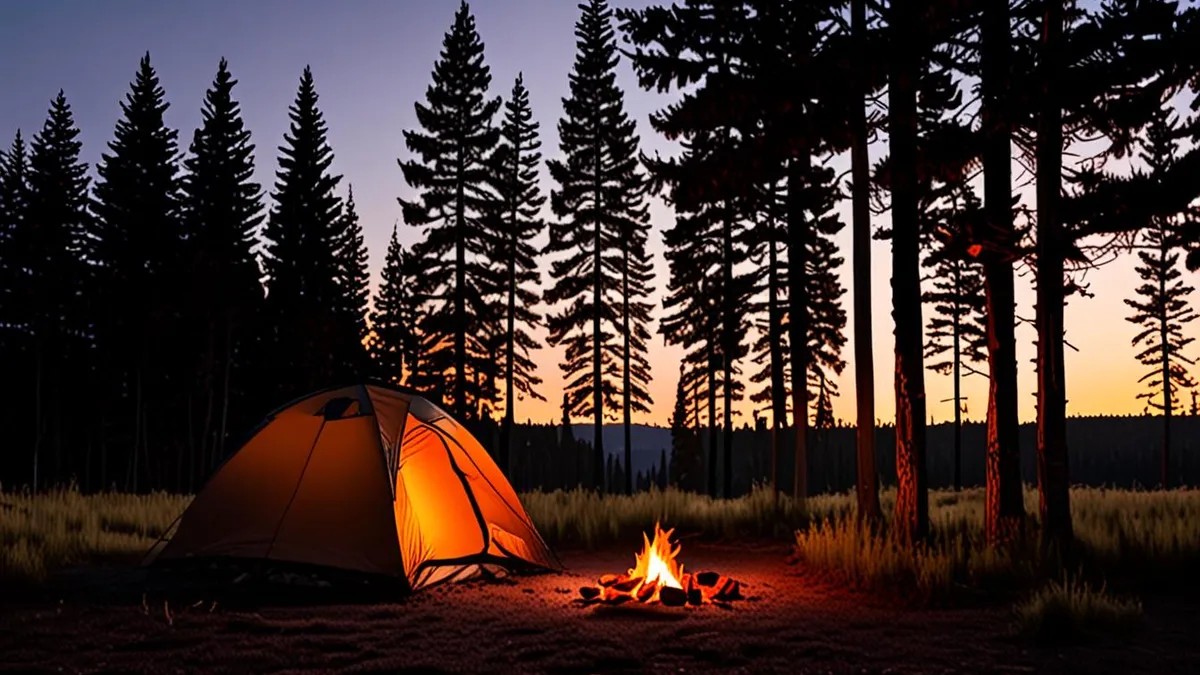
When Camping Wins: Trips Where the Upgrade Isn’t Worth It
There are trips where paying glamping prices simply doesn’t make sense, and knowing them saves real money. The clearest case is the short getaway. On a one- or two-night trip, you’ll spend a few hours total on setup and teardown, and the comfort gain from a glamping tent has very little time to pay off. If you’re arriving Saturday afternoon and leaving Sunday morning, that premium buys you one night of marginally better sleep, and not much else.
Weather is the other deciding factor. Camping’s biggest downsides, cold nights, rain, and damp gear, mostly disappear in warm, dry destinations and in shoulder-season dates like May and September through October. When the forecast risk is low and nights are mild, a basic tent and a shared restroom lose much of their sting, and the glamping premium starts to look like money spent solving a problem you don’t have.
The third group for whom camping clearly wins is experienced gear owners. If you’ve already absorbed the $300-$600 starter investment and you camp several times a year, each trip costs you little more than the pitch fee. Spreading that gear cost across dozens of nights makes camping dramatically cheaper than glamping over time, and your setup probably works better than a rental would.
Quick checklist: when to skip the upgrade
- Drive-in campgrounds with facilities nearby: if the site has clean restrooms, potable water and maybe a shower block a short walk away, you lose little comfort compared to a glamping bathhouse.
- Trips built around daytime activities: if you’ll be hiking, paddling or sightseeing from dawn to dusk, you’re only using the site to sleep, which shrinks the value of luxury bedding and lounge furniture.
- Destinations where the outdoors is the point: in places famous for starry skies or early-morning trailheads, stepping straight out of your own tent into the landscape can be part of the experience you’re paying for.
- Group trips that split costs: a large campsite shared among several friends or families keeps the per-person cost minimal, while glamping the same group would multiply the nightly bill fast.
If several of these describe your trip, book the campsite with confidence. The money you save can fund an extra night, a better meal, or a head start on the gear fund for next season.
When Glamping Justifies the Splurge
Some trips simply deserve a real bed. If you’re planning an anniversary, a proposal, or a milestone birthday under the stars, a mid-range glamping tent buys something a sleeping pad never will: waking up warm, rested, and next to a private bathroom instead of a shared shower block. The upgrade turns a night outdoors into an experience rather than an endurance test, and that’s exactly what you want when the occasion matters.
Romantic escapes are the clearest case. A canvas tent with a proper mattress, soft lighting, and dinner included sets a mood that no amount of marshmallows can replicate. If you’re looking for inspiration on pairing upscale stays with memorable moments, this collection of travel stories for wealthy couples and signature experiences shows how the right accommodation shapes the whole trip.
Bad weather is glamping’s best argument
Cold snaps and rainy stretches are where traditional tents struggle most. Thin nylon walls, a damp groundsheet, and a sleeping bag rated for warmer nights can turn a forecasted drizzle into a miserable 48 hours. Glamping units typically come with heating or insulation, raised floors, and solid frames, so a storm becomes something you watch from inside rather than fight against. If your dates fall in an unpredictable season, the comfort gap between the two styles widens fast.
Gear-free travelers have a practical reason to splurge, too. Flying in with a tent, sleeping bags, and a stove means paying airline baggage fees or squeezing equipment into a rental car alongside your luggage. Glamping removes all of that: you show up with a duffel bag and everything else is waiting for you. For a one-off trip, renting the comfort often costs less than buying and hauling the gear.
How to Book Each Style at the Best Price
Both styles can cost far less than their headline rates if you book with a little strategy. The trick is matching your reservation timing to your travel dates, because campgrounds and glamping sites release inventory very differently. Campgrounds tend to work on fixed rolling windows, while glamping operators reward early planners with standard rates and punish late bookers with steep premiums. Neither approach requires insider knowledge, just a calendar, a few reminders set on your phone, and the discipline to book the moment a window opens rather than “sometime next week.” Here’s a simple order of operations that works for most trips.
- Lock in summer glamping first. Popular glamping sites often require booking 3-6 months ahead for summer dates. Reserve early and you’ll usually pay standard rates; wait until late spring and you’re likely facing peak premiums on top of already tight availability.
- Shift flexible trips to shoulder season. May and the September-October window offer the best price-to-comfort ratio for both styles. Weather is often still pleasant, crowds are thinner, and operators discount rates to fill tents and pitches between the summer rush and the quiet winter months.
- Learn your campground’s release window. Many public campgrounds open reservations on a rolling schedule, releasing sites a set number of days or months before the arrival date. Mark that date, book the moment the window opens, and you’ll beat the weekend crowd to the best pitches before they’re gone.
- Target midweek dates. Friday and Saturday nights carry the highest demand and the highest prices. Shifting a two-night stay to Sunday and Monday can cut the pitch cost noticeably, and popular sites that sell out months ahead on weekends often have quiet availability midweek.
None of these steps requires insider knowledge, just a calendar and a bit of patience. The savings compound quickly: a midweek, shoulder-season trip can cost a fraction of the same itinerary booked for a peak August weekend, in either style. If your dates are flexible, start by checking shoulder-season availability before you even look at summer, and only commit to peak dates when school holidays or a fixed event force your hand. Booking early also gives you first pick of the best-positioned sites, whether that’s a shaded pitch away from the road or a glamping tent with the view everyone else wanted.
Middle-Ground Options Between Tents and Lodges
If the jump from a basic campground pitch straight to a glamping tent feels too wide, a whole tier of accommodation sits in the middle. Cabins and yurts typically run $80-$150 per night and give you the two things tent campers miss most: a real bed and a solid roof over your head. You still handle your own meals and often share bathroom facilities, but you skip the pegs, poles, and 2 a.m. rain panic entirely.
These options work especially well for travelers who want to test whether they’re outdoor people at all. You get close to the camping experience, morning air and campfires included, without buying a full set of starter equipment you might only use twice. Prices vary widely by region and season, so compare a few sites before assuming the middle tier is always cheaper than a glamping deal.
- Cabins and yurts often include bunks or a double bed, lighting, and sometimes a small heater or wood stove, which makes them a strong pick for cooler months when a plain tent would be uncomfortable.
- RV and campervan rentals add mobility to the comfort equation: you get a kitchen, bedding, and storage that travels with you, which suits road trips where you’d otherwise pay for multiple nights of lodging.
- Hybrid sites that offer both tent pitches and glamping units let you split a trip, camping one night and glamping the next, so you can compare the two styles back to back before deciding where your money goes on future trips.
Whichever middle-ground option you choose, book the same way you would a campground: early for weekends, flexible for midweek. The $80-$150 tier fills up fast in summer, but it’s often the easiest place to find genuine value when demand drops outside the busiest months. Check current rates directly with each site, since fees and minimum stays change from year to year.
The Verdict: Matching Your Budget to Your Trip Style
So what does that extra $250 a night actually buy? If you already own gear, are heading out for a quick one- or two-night trip, and picked a mild shoulder-season date, camping wins on cost and you’ll barely miss the extras. A $30 pitch with your own tent and stove is hard to beat when the weather cooperates.
Glamping earns its $150-$800 price tag when the occasion matters, when rain or cold would otherwise ruin the trip, or when you’re traveling without equipment and don’t want to pay baggage fees for gear. And if you want a real bed without the full splurge, middle-ground stays at $80-$150 split the difference nicely. Match the style to the trip, not the other way around. Have a strong opinion on this one? Leave a comment or share this article with a friend who’s still deciding.